


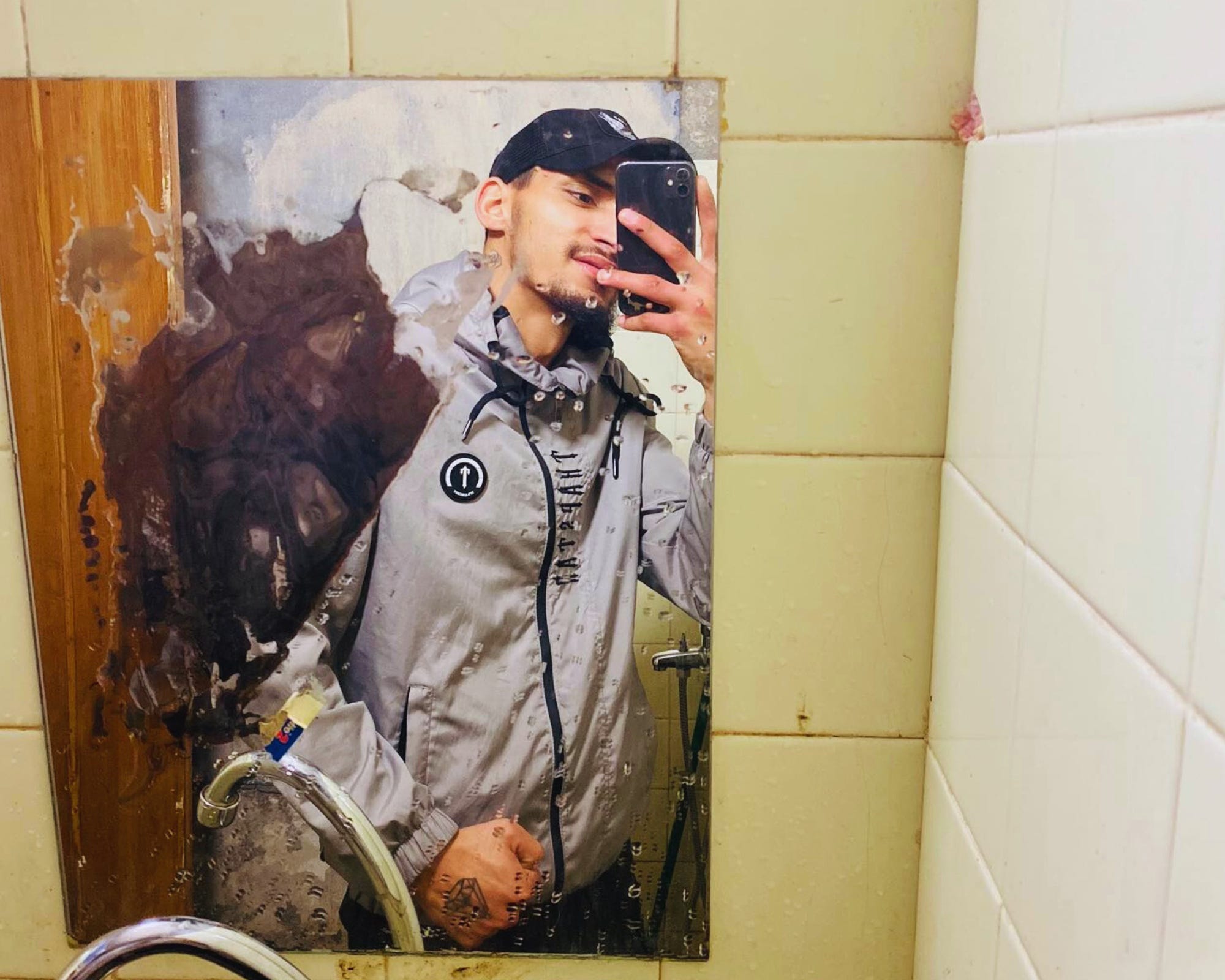
Mainstream culture is obsessed with diagnosing what went wrong with social media.
We blame algorithms and talk about dopamine loops and screen addiction, about loneliness and alienation. We warn each other that social media isn’t real life, that it distorts reality, that it turns us into performers and voyeurs.
All of this is true.
And yet, it is also incomplete.
Because social media itself is not the disease. It is the host.
Other cultures use the same platforms and arrive at radically different outcomes.
The Roma are one such example.
Across the past two pieces from our series “Unfiltered: Romani Social Media Culture”, we looked at how Romani social media boasts and bleeds—how it holds joy and pain without shame—and how Romani livestreams operate under a simple logic: “Sit with me,” not “Watch me.”
In this final piece, we will go one layer deeper and ask the uncomfortable question:
What if the problem isn’t social media at all—but the values mainstream culture brings to it?
The influencer mindset, even when no one is influencing
You don’t have to be an influencer to think like one. Mainstream social media culture is governed by a quiet but rigid rule: visibility must be earned.
Not everything deserves to be posted.Not everyone deserves to be seen. Not every moment is “content-worthy.”
We internalize this early. We learn to evaluate our lives as if from the outside, asking:
Is this impressive enough?
Is this aesthetic enough?
Is this meaningful enough to justify attention?
Even people with private accounts and ten friends often behave as if they are being watched by an invisible jury.
This is how alienation sneaks in—not because we are seen too much, but because we feel we must deserve being seen.
Romani social media culture operates under a completely different premise.
1. Why unpolished images feel better than polished ones
Romani photos often include things mainstream culture edits out: clutter, fatigue, half-sleeping people, everyday mess.
From a mainstream lens, this reads as a lack of care. But psychologically, it does something important: it removes the distance between observer and subject.
You don’t admire the image.
You enter it.
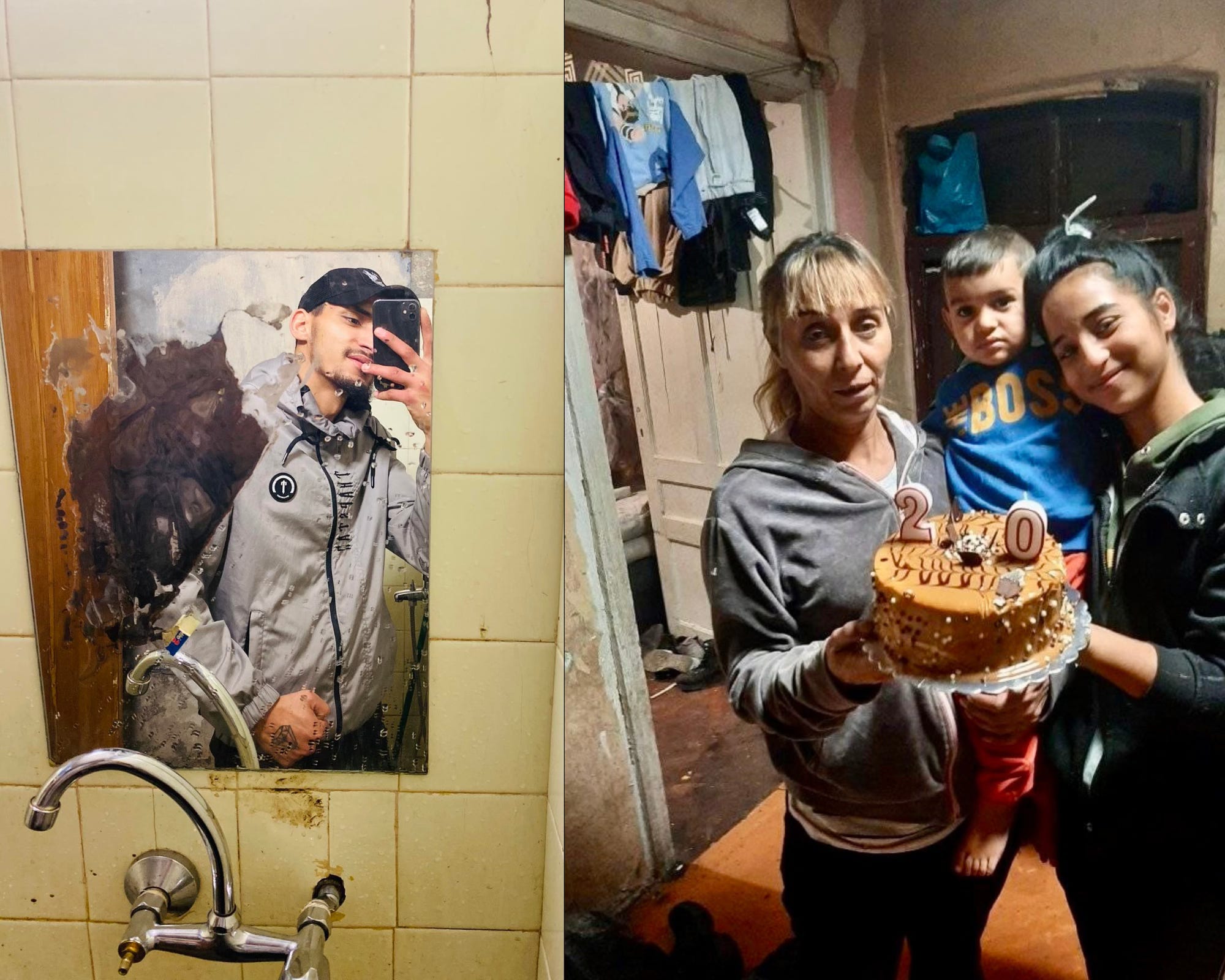
In mainstream culture, polished images create hierarchy and a fundamental disconnect. Someone is presenting; others are looking.
In Romani culture, unpolished images create proximity. The message is not “Look at this.” It is “This is where I am. Hello.”
The Roma post this way because authenticity is not something they even think about.
When you don’t experience your life as a performance, when you’re not burdened with how others perceive you, there is no need to curate your image.
2. Posting without an audience in mind
Mainstream social media is haunted by numbers. Even when we claim not to care, we do. We check likes and view counts, we compare, and above all, we internalize visibility as validation.
Among the Roma, posting is not meant to evoke a response. It is about expression.
They don’t wait for the right time to post something depending on how many people are online.
They don’t post for anyone in particular.
They don’t remove posts that “didn’t do well.”
Why not? Because, deep down, when you know that your presence is already accepted, you don’t need proof. And the Roma always know they are accepted.
And this is why the audience is different, too — and why the answer to “Who cares?” changes depending on who you ask.
In mainstream culture, the answer is obvious, implied even in the question itself. “No one. No one cares that you’re having coffee or enjoying a sunny autumn day.”
In Romani culture, the answer is “Everyone cares.”
To be fair, in mainstream culture, you likely do have a few people who genuinely care about your daily joys and small moments. Loved ones who like seeing you with a coffee in the sun. But the truth is, except for that small circle, most people are indifferent.
With the Roma, that circle isn’t small. It’s the whole tribe.
From our piece “Romani social media boasts and bleeds”
For the Roma, social media is something you do because you have something to say, not because you expect applause.
3. Why silent stalking doesn’t exist
Mainstream culture has normalized a deeply asymmetrical behavior: watching without being seen.
We know intimate details about people whose presence we never acknowledge. We observe without participating. We consume without responding.
Among the Roma, this would feel unnatural.
If they take an interest in someone’s profile, this interest is expressed. They will leave a bunch of likes or hearts on the person’s posts, leave a few comments, even send a DM. Attention is visible and presence is mutual. If someone looks at your life, they let you know.
Why does this matter?
Silent observation creates a psychological imbalance. It’s a blank slate for projection of your own subconscious thoughts and insecurities but without the mechanics to work through it, namely — a dialogue, some kind of exchange, some kind of electricity or flow of life between you and the other person. With stalking, the flow is one-sided and disguised as “information gathering” while, ironically, you are avoiding to look at yourself.
Expressed attention, by contrast, creates a tiny bit of alchemy – enough to put you both on equal footing psychologically, just as you’d be if you interacted in person.
4. No double self, no split, no theater
One of the most corrosive aspects of mainstream social media culture is the split between online and offline selves.
People perform values online they don’t practice in life. They curate their image, their behavior, their imagined virtue.
Among the Roma, this split barely exists. They respond online as they would in person and they speak as they would face to face.
This attitude comes from a culture where relationships are dense, overlapping, and long-term. Hypocrisy doesn’t travel well in tight circles.
When everyone knows your mother, your cousins, your past, your mistakes—there is little incentive to fabricate a self.
5. A feed that looks like life, not achievement
Mainstream feeds are organized around exceptionality. Romani feeds are organized around continuity.
You see work, rest, movement, boredom, affection, repetition. The same person sweeping streets. The same cart. The same room. The same music.
This is, in a way, a declaration: my ordinary life is allowed to exist publicly.
Where mainstream culture asks, “Is this worth showing?” Romani culture shows “the mundane” unapologetically.
When you consider the demolished homes, the scattered lives, the struggles in the crisis center and social housing, the constant threats of eviction, and the relentless desire by surrounding powers to erase the entire tribe… then posting the mundane is an achievement. It’s a radical statement: “I exist”.
